
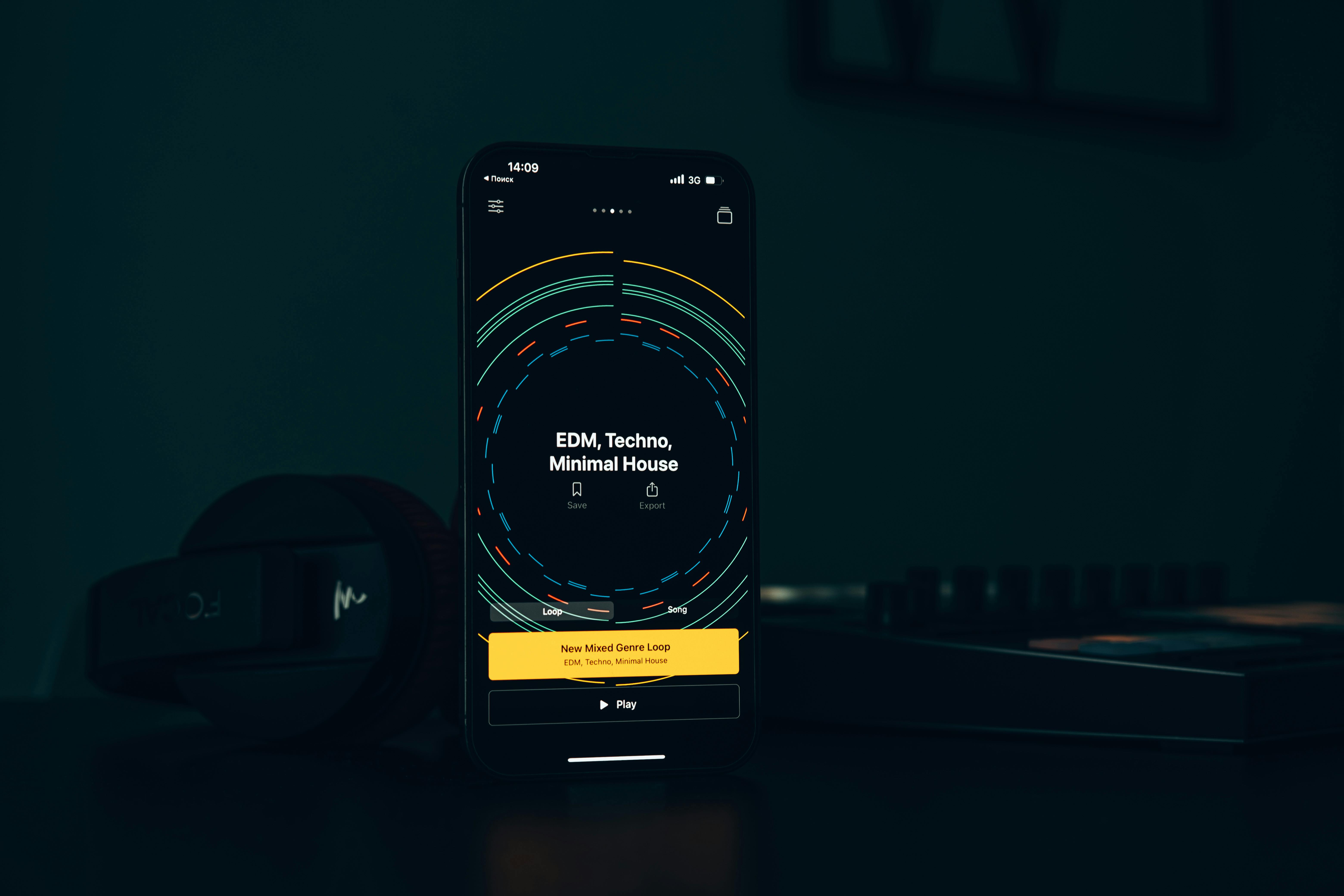
The AI music revolution is not just creating new sounds; it's creating new millionaires. In 2026, generative AI tools are no longer a novelty but essential platforms for artists, producers, and content creators looking to monetize their sonic output. Discover the leading AI music generators, compare their features, pricing, and unique monetization opportunities to maximize your CPM and RPM in this booming digital landscape. Your ultimate guide to AI music software, licensing, and profitable strategies starts here.
Introduction to the Topic
Welcome to 2026, where the symphony of innovation plays louder than ever. Artificial Intelligence has transcended its role as a mere assistant, becoming a full-fledged co-creator in the music industry. From crafting intricate orchestral scores to generating bespoke beats for viral content, AI music is no longer a futuristic concept but a tangible, highly profitable reality. This isn't just about making music; it's about making money. With sophisticated algorithms now capable of understanding emotional nuance, genre conventions, and even complex harmonic structures, the barrier to entry for high-quality, commercially viable music has plummeted. For artists, producers, filmmakers, podcasters, and brands, leveraging AI music platforms is no longer optional – it's a strategic imperative to stay competitive and unlock unprecedented revenue streams. But with a rapidly expanding market, how do you choose the right AI partner? This article cuts through the noise, guiding you to the platforms that offer the best blend of creativity, functionality, and, most importantly, monetization potential.
Backgrounds & Facts
The journey of AI in music has been exponential. What began with rudimentary MIDI sequencing and algorithmic composition in the early 2000s has evolved into incredibly sophisticated neural networks capable of generating entire, radio-ready tracks in minutes. By 2026, the global AI music market is valued in the multi-billions, driven by advancements in deep learning, natural language processing for prompt-based creation, and real-time audio synthesis. Key facts underscore this boom:
- Market Growth: Analysts predict a Compound Annual Growth Rate (CAGR) exceeding 25% for the AI music market through the end of the decade, fueled by demand from the creator economy and entertainment industry.
- Accessibility: Once requiring specialized knowledge, AI music generation is now accessible to anyone with an internet connection, thanks to intuitive user interfaces and cloud-based processing.
- Licensing Evolution: The legal landscape for AI-generated content, particularly concerning copyright and royalties, has matured significantly since 2023. Clear frameworks for ownership, co-creation, and revenue sharing are now standard, offering creators confidence in monetizing their AI-assisted works.
- Integration: Modern Digital Audio Workstations (DAWs) now seamlessly integrate AI plugins for mastering, mixing, stem separation, and even real-time improvisation, making AI an indispensable tool in professional studios.
- Ethical AI: A strong emphasis on ethical AI development ensures transparency in data sourcing and prevents biased outputs, maintaining fairness in artist compensation and creative attribution.
The days of AI simply replicating human-made music are over. Today's AI is innovating, generating novel sounds and structures that push the boundaries of artistic expression, all while offering lucrative monetization pathways for savvy users.
Expert Opinion / Analysis
"The year 2026 marks a pivotal shift: AI music is no longer seen as a threat to human creativity but as its most powerful accelerant," states Dr. Anya Sharma, lead AI Ethicist at SonicFutures Institute. "We've moved beyond the 'Will AI replace artists?' debate. The conversation now centers on 'How can artists and businesses best leverage AI for maximum impact and profit?' The platforms that are winning are those offering robust monetization features, clear licensing models, and superior creative control."
Dr. Sharma emphasizes that the real value lies in the AI's ability to handle the repetitive or technically challenging aspects of music production, freeing human creators to focus on conceptualization, emotional depth, and unique artistic identity. "Consider the indie artist who can now produce broadcast-quality tracks without needing a massive studio budget, or the content creator who can generate unlimited, legally clear background music tailored to their exact needs. This democratizes creation and, crucially, monetization. We're seeing a surge in micro-licensing, where AI-generated tracks, often with human oversight, are licensed thousands of times for small fees, collectively generating substantial revenue for the creator. The key for users is to choose platforms that not only generate great sound but also provide direct pathways to market and transparent royalty structures. It's about turning algorithms into assets."
💰 Best Options in Comparison (VERY IMPORTANT)
Navigating the crowded AI music landscape requires careful consideration of your specific goals: are you a professional producer, an indie artist, or a content creator seeking royalty-free tracks? Here are our top picks for 2026, chosen for their blend of creative power, user experience, and, most critically, their monetization potential.
-
1. SynthFlow Pro: The Studio Powerhouse for Professionals
Target Audience: Professional music producers, film composers, advertising agencies, large studios. SynthFlow Pro is the industry standard for high-fidelity, customizable AI music. Its advanced neural networks allow for unparalleled control over genre, mood, instrumentation, and even specific harmonic progressions. It excels in generating complex orchestral scores, cinematic soundscapes, and intricate electronic tracks that often pass for human-composed works. Monetization is robust, offering direct sync licensing opportunities, integration with major music libraries, and flexible royalty split agreements for co-created projects. Their enterprise solutions include dedicated account managers to facilitate large-scale licensing deals, making it a lucrative choice for high-volume commercial users.
-
2. RhythmGenius AI: Content Creator's Dream for Quick & Clear Licensing
Target Audience: YouTubers, podcasters, social media influencers, small businesses, game developers. RhythmGenius AI is celebrated for its intuitive interface and rapid generation capabilities. Users can create bespoke background music, intros, and outros by simply inputting keywords, desired mood, and duration. Its strength lies in its vast library of royalty-free, pre-cleared tracks and its easy-to-understand licensing model, which is typically included in its premium subscription tiers. This means creators can use AI-generated music across all their platforms without worrying about copyright strikes, directly boosting their ad revenue and brand engagement. It's the go-to for consistent, legally safe content monetization.
-
3. MelodyForge AI: Empowering Indie Artists & Songwriters
Target Audience: Independent musicians, songwriters, bedroom producers looking for creative inspiration and distribution. MelodyForge AI acts as a collaborative partner, generating melodic ideas, chord progressions, drum patterns, and even vocal harmonies to jumpstart your creative process. What sets it apart is its integrated distribution network and co-ownership framework. Artists can refine AI-generated stems, add their human touch, and then directly distribute their finished tracks to major streaming platforms like Spotify, Apple Music, and Tidal, with MelodyForge handling the backend and transparently splitting royalties. It's designed to turn creative sparks into tangible income for the modern indie artist.
Here's a detailed comparison to help you make an informed decision:
| Feature | SynthFlow Pro | RhythmGenius AI | MelodyForge AI |
|---|---|---|---|
| Primary Use Case | Professional Production, Film Scoring, Ads | Background Music, Content Creation | Songwriting, Indie Artist Collaboration |
| Audio Quality | Exceptional (Studio-grade, Multi-track) | Very Good (Broadcast-ready) | High (Detailed Stems, Creative Prompts) |
| Customization Level | Extremely High (Granular control, DAW integration) | Moderate to High (Mood, genre, tempo, instruments) | High (Iterative generation, stem editing) |
| Monetization Focus | Direct Sync Licensing, Enterprise Deals, Royalty Splits | Royalty-Free Usage (Subscription), Ad Revenue Enhancement | Direct Distribution Royalties, Co-ownership, Micro-licensing |
| Pricing Model (2026 est.) | Tiered Subscription ($99-$499/month), Per-track licensing for commercial. | Freemium, Pro ($29/month), Enterprise ($99+/month). | Tiered Subscription ($19-$79/month), Royalty share on distribution. |
| Unique Selling Point | Unmatched sonic realism & professional control. | Speed, ease of use, extensive royalty-free library. | Creative partnership & integrated distribution for artists. |
Outlook & Trends
Looking ahead to the rest of 2026 and beyond, the AI music landscape promises even more groundbreaking advancements. Expect hyper-personalization to become the norm, with AI generating music specifically tailored to individual listener preferences, emotional states, and even biometric data. Interactive music, where AI adapts compositions in real-time based on audience engagement or user input, will revolutionize live performances and gaming. The integration of AI with Web3 technologies, such as NFTs and blockchain, will provide new avenues for immutable ownership, transparent royalty tracking, and novel fan engagement models, further enhancing monetization for creators. We'll also see more sophisticated AI-human collaboration models, where AI acts as a true creative partner, suggesting ideas, refining compositions, and even performing alongside human artists. The legal and ethical frameworks will continue to evolve, ensuring fair play and fostering a sustainable ecosystem where both AI and human creativity thrive. The future of music is a harmonious blend of human ingenuity and artificial intelligence, offering limitless possibilities for sonic exploration and financial gain.
Conclusion
The AI music gold rush of 2026 is in full swing, offering unprecedented opportunities for creators to generate, monetize, and distribute high-quality audio content. Whether you're a seasoned producer aiming for cinematic scores, a content creator needing endless background tracks, or an indie artist seeking a creative edge and direct distribution, the right AI music platform can be your most valuable asset. By understanding the distinct offerings of leaders like SynthFlow Pro, RhythmGenius AI, and MelodyForge AI, you can strategically invest in tools that align with your creative vision and financial aspirations. Don't just listen to the future of music; create it, license it, and profit from it. The time to stake your claim in the AI music economy is now.