
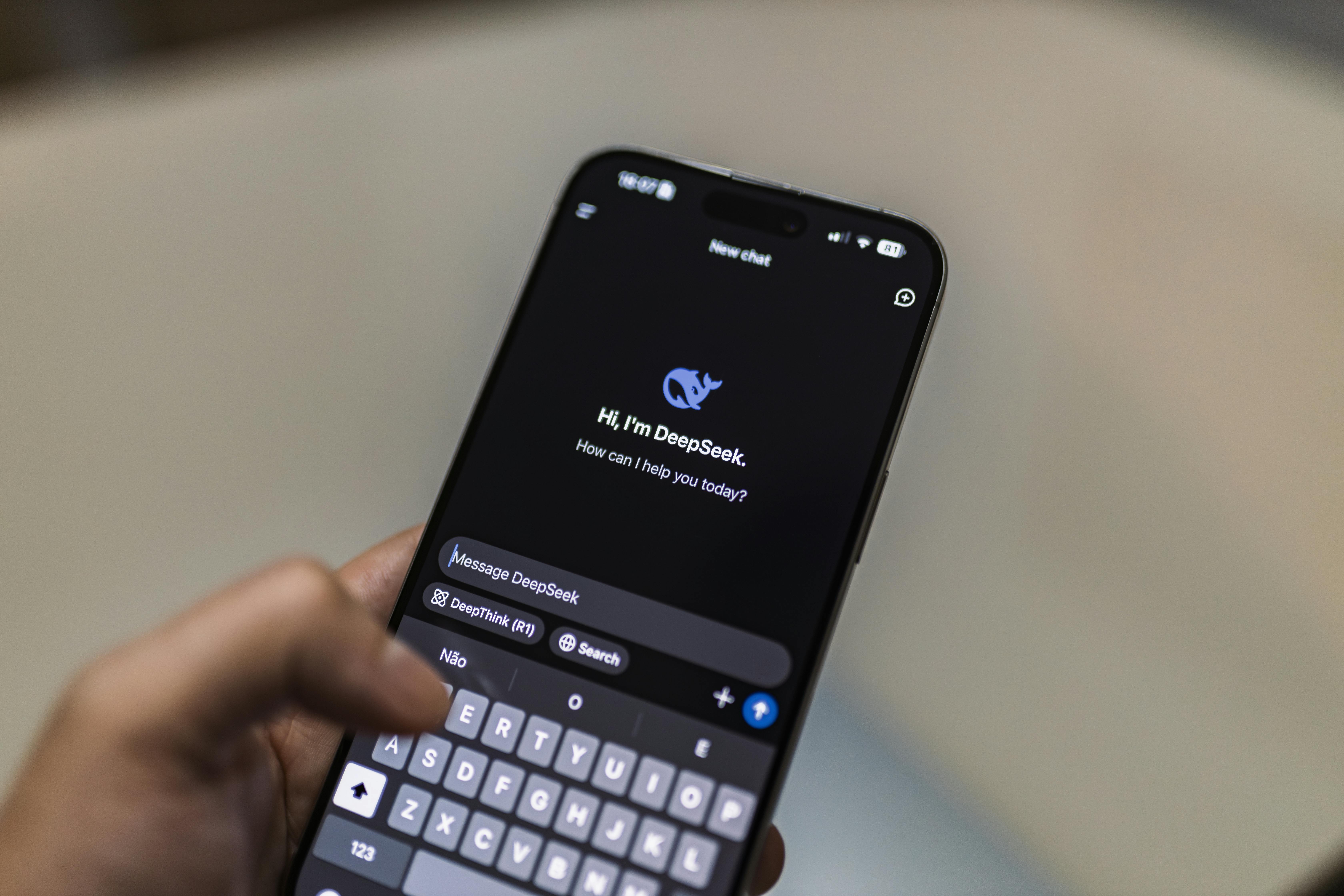
Discover the future of work and life with proactive AI agents in 2026. This comprehensive guide compares the top autonomous AI assistants, helping you choose the best solution for unparalleled productivity, business automation, and personalized efficiency. Explore features, pricing, and integration capabilities to make an informed purchasing decision.
Introduction to the Topic
Welcome to 2026, where the digital landscape is not just smart, it’s anticipatory. The era of merely reactive chatbots and voice assistants is rapidly fading, replaced by a new breed of sophisticated digital companions: Proactive AI Agents. These aren't just tools that respond to your commands; they anticipate your needs, learn your patterns, and execute complex tasks autonomously, transforming the very definition of productivity for individuals and businesses alike. From managing your calendar across multiple platforms to optimizing supply chains or even drafting preliminary legal documents, these autonomous AI assistants are rewriting the rulebook on efficiency.
At aicreativitywork.com, we’ve been tracking this seismic shift, and it's clear: choosing the right proactive AI agent is no longer a luxury but a strategic imperative. With a burgeoning market offering diverse solutions, understanding which AI can truly augment your capabilities, streamline your operations, and provide tangible ROI is critical. This guide cuts through the noise, offering an in-depth look at the leading contenders, optimized for your purchasing intent and designed to help you make the smartest investment in your digital future.
Backgrounds & Facts
The journey from simple rule-based chatbots of the 2010s to today's advanced proactive AI agents has been nothing short of revolutionary. Early conversational AI, exemplified by first-generation virtual assistants like Siri and Alexa, primarily offered reactive support – answering questions or executing basic commands only when prompted. The pivotal shift began around 2023-2024 with the exponential advancements in large language models (LLMs), multimodal AI, and reinforcement learning from human feedback (RLHF), spearheaded by models like OpenAI's GPT-X series and Google's Gemini iterations.
These breakthroughs enabled AI systems to not only understand context with unprecedented accuracy but also to reason, plan, and initiate actions. By 2026, predictive analytics, coupled with robust integration capabilities across diverse software ecosystems, has empowered AI agents to move beyond mere assistance. They now actively monitor data streams, identify potential issues or opportunities, and propose or even execute solutions without direct human intervention. For instance, a proactive AI agent might re-route a logistics delivery before a traffic jam forms, or reschedule a meeting conflicting with an unannounced but critical project deadline detected in your internal comms.
Market analysts project the global market for autonomous AI agents to exceed $50 billion by the end of 2026, with a compound annual growth rate (CAGR) upwards of 35%. This growth is fueled by increasing demand for operational efficiency, hyper-personalization, and the desire to offload repetitive or time-consuming tasks. While concerns around data privacy, algorithmic bias, and ethical deployment persist, leading developers are aggressively implementing robust security protocols, explainable AI (XAI) features, and user-defined control parameters to build trust and ensure responsible AI adoption. The focus has undeniably shifted from AI replacing human jobs to AI augmenting human potential, freeing up cognitive resources for creativity and strategic thinking.
Expert Opinion / Analysis
“We are witnessing a profound paradigm shift,” states Dr. Anya Sharma, a leading AI ethicist and co-founder of the Global AI Governance Institute. “The transition from user-initiated interaction to AI-initiated support fundamentally alters our relationship with technology. It’s no longer about asking; it’s about trusting your digital counterpart to anticipate and act on your behalf.” Dr. Sharma emphasizes that this shift necessitates a deeper understanding of AI’s capabilities and limitations, particularly regarding data security and the 'locus of control.'
From a business perspective, industry analyst Mark Chen of TechInsights highlights the strategic advantage. “Companies that effectively integrate proactive AI agents are reporting significant gains in operational efficiency, customer satisfaction, and employee productivity. We’re seeing a 20-30% reduction in routine administrative tasks, allowing human capital to focus on innovation and complex problem-solving. For enterprises, these agents are becoming indispensable for everything from predictive maintenance to dynamic market analysis and hyper-personalized customer engagement.”
However, the experts also caution against a 'set-it-and-forget-it' mentality. “While autonomous, these agents still require careful configuration, oversight, and continuous feedback to align with user values and business objectives,” Dr. Sharma adds. “The best solutions offer transparent decision-making processes and robust human-in-the-loop mechanisms, ensuring that trust is built on understanding, not blind faith.” The consensus is clear: proactive AI agents are not just a technological advancement; they are a new category of digital workforce, demanding careful consideration in selection and deployment to truly harness their transformative power.
💰 Best Options in Comparison (VERY IMPORTANT)
Navigating the burgeoning market of proactive AI agents can be daunting. To help you make an informed purchasing decision, we've identified the top contenders for 2026, each excelling in specific areas. Whether you're an individual seeking a personal digital concierge or an enterprise aiming for unparalleled automation, there's an AI agent designed for your needs.
- OmniMind Pro: The enterprise-grade powerhouse, OmniMind Pro is designed for large organizations requiring deep integration with complex legacy systems and robust security protocols. It excels in cross-departmental automation, predictive resource allocation, and advanced strategic insights. Think dynamic supply chain optimization, automated compliance checks, and proactive risk management across global operations. Its strength lies in its modular architecture, allowing bespoke customization for niche industry requirements.
- TaskMaster AI: Positioned for small to medium-sized businesses (SMBs) and prosumers, TaskMaster AI focuses on hyper-efficient task management, project coordination, and client relationship automation. It proactively manages schedules, delegates sub-tasks to human teams, and even drafts follow-up communications based on meeting outcomes. Its intuitive interface and competitive subscription tiers make it an attractive option for businesses looking to scale productivity without a full enterprise investment.
- LifePilot Personal: The ultimate personal digital assistant, LifePilot Personal is tailored for individual users seeking to optimize their daily lives. It goes beyond calendar management, proactively suggesting wellness routines based on your digital footprint, optimizing travel itineraries, managing smart home devices, and even curating personalized learning paths. Its strength is its seamless integration with personal devices and a strong emphasis on data privacy and user control over personal data.
- NicheBot X (e.g., Legal, Med-Tech, Fin-Sense): Represents a category of specialized, industry-specific proactive AI agents. For example, 'LegalBot X' might proactively flag potential legal risks in contracts, 'Med-Tech AI X' could monitor patient data for early warning signs, or 'Fin-Sense X' could execute micro-trades based on real-time market sentiment analysis. These agents are built on highly specialized datasets and adhere to stringent industry regulations, offering unparalleled accuracy and compliance within their respective domains.
To further aid your selection, here's a detailed comparison table:
| Agent Name | Target User | Key Features | Best For | Pricing Model | Integration Capabilities | Data Security Focus |
|---|---|---|---|---|---|---|
| OmniMind Pro | Large Enterprises | Cross-departmental automation, predictive resource allocation, strategic insights, bespoke customization. | Complex enterprise automation, compliance, risk management. | Custom Enterprise Licenses, Tiered Service Agreements. | Extensive APIs, ERP/CRM integration, custom connectors. | ISO 27001, SOC 2 Type II, on-premise/hybrid deployment options. |
| TaskMaster AI | SMBs, Prosumers | Task management, project coordination, client communication automation, scheduling. | Scaling SMB productivity, project managers, professional freelancers. | Free Tier (limited), Standard, Premium Subscription ($29-99/month). | Google Workspace, Microsoft 365, Slack, Salesforce, Asana. | GDPR, CCPA compliance, end-to-end encryption. |
| LifePilot Personal | Individual Users | Wellness routines, travel optimization, smart home control, personalized learning, daily scheduling. | Personal productivity, lifestyle management, digital well-being. | Basic Free, Premium Subscription ($9-29/month), Family Plans. | iOS/Android, Smart Home (Matter, Thread), Wearables. | Strong user control, opt-in data sharing, anonymization features. |
| NicheBot X (e.g., LegalBot X) | Specialized Professionals/Firms | Industry-specific risk flagging, compliance automation, data analysis, document drafting. | Legal firms, healthcare providers, financial institutions requiring high accuracy. | Per-user/per-seat licensing, Transactional Fees (for certain actions). | Industry-specific software (e.g., Clio, Epic), proprietary databases. | HIPAA, FINRA, legal privilege protocols, auditable AI decisions. |
Outlook & Trends
The trajectory of proactive AI agents points towards an even more integrated and sophisticated future. By the end of the decade, we anticipate several key trends:
- Truly Autonomous & Self-Improving Agents: Future agents will not just anticipate but will also autonomously learn and adapt their strategies based on long-term outcomes, requiring less human oversight and intervention over time. This includes self-healing capabilities for minor errors and continuous optimization.
- Emotional Intelligence & Empathy: AI agents will develop more nuanced emotional intelligence, allowing for more natural and empathetic interactions, particularly in customer service, HR, and personal coaching roles. This will enhance user experience and build deeper trust.
- AI Agent Marketplaces & Interoperability: We'll see a rise in platforms where users can 'hire' or 'subscribe' to specialized AI agents from different providers, all working in concert. Seamless interoperability standards will allow these agents to collaborate and share data securely to achieve complex objectives.
- Decentralized AI Agents & Edge Computing: To enhance privacy, reduce latency, and improve resilience, more AI agent processing will occur at the edge – directly on devices rather than solely in centralized clouds. Decentralized AI architectures will also offer greater transparency and auditability.
- Ethical AI Governance as a Core Feature: As AI agents gain more autonomy, ethical considerations will be baked into their design from the ground up, not as an afterthought. Features like 'explainability,' 'fairness metrics,' and 'human override protocols' will become standard, driven by both regulatory pressures and consumer demand.
The future isn't about one super-AI, but rather a sophisticated ecosystem of specialized, proactive AI agents, each excelling in its domain, working together to create an environment of unprecedented efficiency and personalization.
Conclusion
In 2026, proactive AI agents are no longer a futuristic concept; they are a present-day reality transforming how we live and work. From enhancing personal well-being to driving enterprise-level innovation, these autonomous assistants offer a tangible pathway to unparalleled productivity and efficiency. The key to unlocking their full potential lies in making an informed choice – one that aligns with your specific needs, values robust security, and promises seamless integration into your existing ecosystem.
As you consider your options, remember that the best proactive AI agent isn't just a tool; it's a strategic partner. It's an investment in reclaiming your time, amplifying your capabilities, and navigating the complexities of the digital age with confidence. Explore the options, leverage the power of autonomous intelligence, and step into a future where your digital assistant doesn't just respond – it anticipates, acts, and empowers you to achieve more than ever before. The future of productivity is proactive, and it's waiting for you.